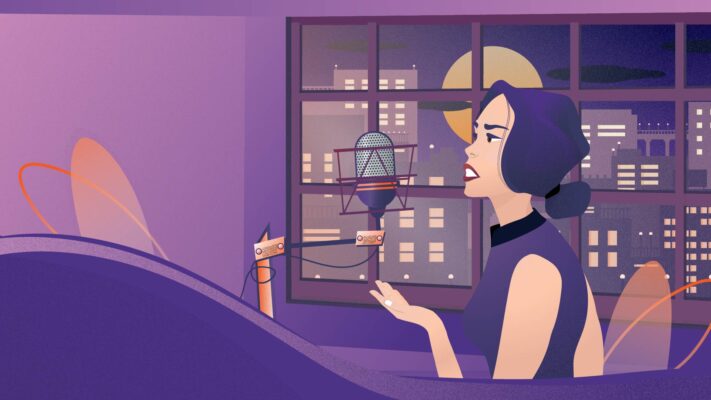
When we think of a 2D animated explainer video, our minds often go straight to the visuals: colorful characters, fluid motion, playful transitions. But behind every compelling explainer lies a critical yet often underestimated element—sound. From music to sound effects to voiceover narration, audio is the glue that binds the story together, guides the viewer, and delivers the message with impact.
In this article, we break down the essential role that sound and voiceover play in the success of a 2D animated explainer video. Whether you’re a brand looking to communicate your product or a creative team aiming to elevate your storytelling, understanding how audio shapes perception and engagement can set your content apart.
Why Sound Matters More Than You Think
People are visual creatures, but they are also deeply responsive to sound. Our brains process audio cues quickly and emotionally. In an explainer video, sound does more than just accompany visuals—it enhances clarity, reinforces tone, and anchors attention.
Consider watching an animated explainer with the sound muted. You might grasp the gist, but the emotional weight, the pacing, and even the humor often fall flat. Add a smartly crafted voiceover and the right background music, and suddenly the video comes alive.
Voiceover: The Narrative Backbone
The voiceover in a 2D animated explainer video serves as the guide, leading the viewer through the story with clarity and charisma. It delivers the core message, explains the value proposition, and humanizes the brand.
Tone and Personality
The tone of voice must match the brand’s personality and the video’s intent. A fintech startup may need a confident, reassuring narrator. A children’s health app might benefit from a warm, friendly voice. Misalignment in tone can confuse viewers or dilute the impact of the message.
Clarity and Pacing
A good voiceover artist knows how to pace delivery for comprehension and engagement. They emphasize keywords, vary inflection to avoid monotony, and pause strategically to let information sink in.
Localization and Accessibility
For global brands, recording voiceovers in multiple languages can dramatically widen reach. Including captions or subtitles further improves accessibility and SEO.
Music: Setting the Emotional Tone
Music underscores the mood. It can make a simple explanation feel inspiring, exciting, or comforting. Choosing the right track is about more than genre—it’s about emotional alignment.
Original vs. Stock
Original compositions offer full customization and brand coherence. Stock music is faster and more affordable but may lack uniqueness. The choice depends on budget, timelines, and the level of creative control desired.
Volume and Balance
Music should support, not overshadow, the voiceover. Mixing is critical—too loud, and the message gets lost; too soft, and it adds nothing.
Sound Effects: The Unseen Enhancer
Sound effects (SFX) often operate in the background, but their impact is significant. They can simulate real-world interactions (like a “click” or “swipe”), accentuate motion, or inject humor.
Timing is Everything
Well-placed SFX guide the viewer’s eye and emphasize key transitions. They also help establish rhythm, especially in kinetic typography or motion-heavy sequences.
Consistency Matters
SFX should match the visual style. For a minimalist 2D animated explainer video, subtle, clean effects work better than exaggerated cartoon sounds.
Audio Branding: Crafting a Sonic Identity
Just as visuals create brand recognition, audio elements contribute to brand identity. A consistent narrator voice, signature music motif, or distinct intro sound can make your video instantly recognizable
Think of brands like Intel or Netflix. Their audio logos are iconic. While your 2D animated explainer video might not need a jingle, developing a unique sound palette can strengthen brand recall.
Case Study: A/B Testing with and without Sound
We ran an A/B test using two versions of the same 2D animated explainer video: one with full audio (music, voiceover, SFX) and one muted with subtitles. Results showed that the version with sound had:
- 37% higher average view duration
- 52% increase in information retention (as measured by a follow-up quiz)
- 29% higher likelihood of sharing
The numbers don’t lie—audio amplifies engagement.
Tips for Better Audio in Explainer Videos
- Invest in professional voice talent. It’s worth it.
- Work with sound designers, not just editors. Crafting soundscapes is an art.
- Script with sound in mind. Include audio cues in your storyboard.
- Test audio on multiple devices. What sounds good on studio monitors might distort on mobile.
- Don’t mix and master last. Treat audio as integral from day one.
Sound is not an afterthought. It’s a foundational part of the storytelling equation. In a medium like 2D animation, where the visuals are crafted from scratch, why not give the same care and attention to audio?
A well-produced 2D animated explainer video engages both the eyes and the ears. It speaks clearly, feels emotionally resonant, and stays memorable. By treating sound and voiceover as core creative elements, not just technical add-ons, you dramatically increase the chances that your message will be seen, heard, and remembered.