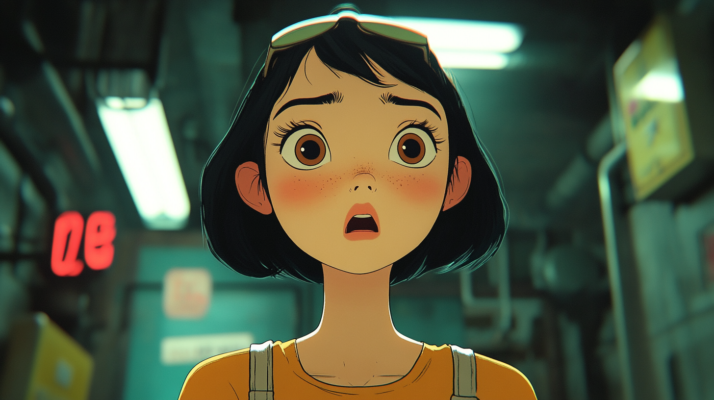
For years, industry experts speculated that 2D animation was on its way out, overshadowed by the rise of 3D animation and CGI. But rather than fading into obscurity, 2D animation studios are experiencing a renaissance, with demand growing across various industries, from entertainment to marketing and gaming.
So why is 2D animation still thriving in an era dominated by cutting-edge 3D visuals? Let’s explore the reasons behind the resurgence of 2D animation and why it continues to captivate audiences worldwide.
1. The Timeless Appeal of 2D Animation
Unlike 3D animation, which constantly evolves with new technologies, 2D animation has a timeless quality that continues to resonate with audiences. The hand-drawn aesthetic, expressive character designs, and fluid motion create a unique visual storytelling experience that 3D animation often struggles to replicate.
Classic animated films like Disney’s The Lion King (1994) and Spirited Away (2001) remain beloved today, proving that 2D animation holds an enduring place in viewers’ hearts. Even modern productions like Klaus (2019) and The Owl House (2020) showcase how traditional animation can be reinvented while maintaining its charm.
2. A Cost-Effective and Accessible Medium
For businesses and content creators, 2D animation is often more affordable and accessible than 3D animation. The cost of producing high-quality 3D animation is significantly higher due to the complexity of modeling, texturing, and rendering. In contrast, 2D animation studios can produce engaging content with lower production costs and faster turnaround times.
This affordability makes 2D animation an attractive choice for startups, independent creators, and marketing teams looking to create compelling animated content without exceeding their budgets.
3. The Growth of Streaming Platforms and Social Media
Streaming platforms like Netflix, Disney+, and HBO Max have embraced 2D animation, leading to a surge in demand for new animated series and films. Shows like Arcane (which blends 2D and 3D animation) and Castlevania demonstrate that audiences still appreciate traditional animation styles.
Additionally, social media platforms have revolutionized the way people consume content. Brands, influencers, and educators use 2D animation studios to create short, engaging content for platforms like YouTube, Instagram, and TikTok. Animation allows brands to tell compelling stories, explain complex concepts, and capture attention in an oversaturated digital space.
4. The Indie and Gaming Boom
The rise of indie game development has also fueled interest in 2D animation. Games like Hollow Knight, Cuphead, and Ori and the Blind Forest have demonstrated that hand-drawn animation can create stunning, immersive experiences that rival even the most advanced 3D games.
Indie developers often turn to 2D animation studios because:
- It requires fewer resources than 3D modeling.
- It offers a unique, artistic aesthetic that differentiates games from hyper-realistic CGI.
- It allows for greater creative freedom and experimentation.
With platforms like Steam and mobile gaming booming, 2D animation in gaming is far from obsolete—it’s thriving.
5. A Revival in Marketing and Advertising
Brands and advertisers have recognized the effectiveness of 2D animation in explainer videos, commercials, and promotional content. Animated ads have higher engagement rates compared to static visuals, making them a go-to choice for companies looking to capture audience attention quickly.
Companies like Google, Apple, and Coca-Cola frequently use 2D animation for:
- Product launch videos
- Social media advertisements
- Training and onboarding videos
The simplicity and clarity of 2D animation make it an ideal medium for delivering concise and impactful messages in a visually appealing format.
6. The Influence of Nostalgia
Nostalgia plays a huge role in keeping 2D animation studios in demand. Millennials and Gen Z audiences who grew up with classic 2D cartoons—whether it’s Avatar: The Last Airbender, Teen Titans, or Dragon Ball Z—still appreciate the art form and seek out new content that embraces the same aesthetic.
This nostalgia factor extends beyond just animated series; it influences advertising, merchandise, and even reboots of older franchises. The continued success of anime worldwide also proves that 2D animation maintains a strong cultural presence.
7. Artistic Freedom and Experimentation
One of the biggest strengths of 2D animation is its artistic versatility. Unlike 3D animation, which requires rigid technical constraints, 2D animation allows for greater experimentation with:
- Abstract and stylized designs
- Unique storytelling techniques
- Hand-drawn aesthetics
This creative freedom has led to a surge in independent projects, music videos, and experimental animated films that push the boundaries of traditional storytelling.
8. Hybrid Animation: The Best of Both Worlds
Rather than choosing between 2D and 3D, many studios are combining both styles to create hybrid animation. Films like Spider-Man: Into the Spider-Verse and The Mitchells vs. The Machines successfully blend 2D and 3D elements, proving that the future of animation isn’t about replacing one medium with another—it’s about integrating both to create fresh, innovative experiences.
The Future of 2D Animation
Despite the advancements in 3D technology, 2D animation studios are thriving more than ever. Its timeless appeal, cost-effectiveness, and versatility across industries ensure that 2D animation remains a relevant and powerful storytelling tool.
As businesses, entertainment companies, and independent creators continue to embrace 2D animation, its resurgence will only grow stronger. Whether it’s through animated films, marketing content, gaming, or social media, 2D animation is not just surviving—it’s evolving, expanding, and thriving.