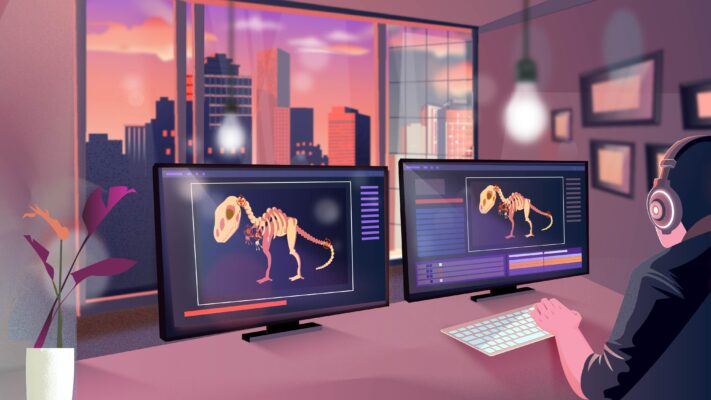
The world of 2D animation is evolving. Once considered the dominant form of animation, then eclipsed by the rise of 3D, 2D animation is now experiencing a new wave of relevance. Thanks to digital tools, changing audience preferences, and a growing appetite for authenticity and stylized storytelling, 2D is not only surviving—it’s thriving.
So what lies ahead? As a 2d company, we keep our eyes on the trends shaping this field. Here’s what the future of 2D animation could look like, and why we believe it’s an exciting time to be animating in two dimensions.
The Comeback Is Real
Let’s start with the obvious: 2D animation is having a moment. Shows like Arcane, Klaus, and Entergalactic have proven that 2D or hybrid styles can be just as visually compelling—if not more so—than polished 3D. The reason? 2D animation offers a handcrafted, artistic quality that resonates in an age where everything can feel overly digital.
Major studios are investing in stylized, hand-drawn looks again. Even Disney is returning to 2D with upcoming projects. And indie creators, fueled by online platforms, are pushing the aesthetic boundaries of what 2D can be.
For any 2d company looking to make its mark, the future is open.
Tech Is Leveling the Playing Field
New software is dramatically speeding up workflows. Tools like Toon Boom Harmony, TVPaint, and Adobe Animate let artists achieve traditional effects with digital efficiency. Vector-based drawing and bone-rigging systems allow for smooth motion with fewer frames, without losing the organic look.
AI-assisted inbetweening and coloring are beginning to cut down the labor-intensive aspects of animation. While AI won’t replace the artistry of a human animator anytime soon, it will streamline production for 2d companies, especially smaller studios with limited budgets.
Cloud collaboration tools are also enabling global teams to work together seamlessly. A storyboard artist in Kyiv, an animator in Seoul, and a sound designer in Montreal can all contribute to the same project in real time. That opens up a new kind of creative agility.
2D Is the Language of Indie and Experimental Storytelling
If 3D is often associated with big-budget franchises, 2D remains the favorite of risk-takers and storytellers who want to break the mold.
Why? 2D can feel more personal. It allows for abstraction, surrealism, and emotional stylization. Shows like BoJack Horseman or Undone use 2D techniques to explore heavy themes with visual freedom that would be much harder to pull off in photorealistic 3D.
For an ambitious 2d company, there’s room to innovate—not just visually, but narratively. Experimental formats like vertical animation for TikTok, or animated podcasts with limited movement, are all part of a wider trend toward flexible storytelling.
Education and Access Are Expanding
A decade ago, learning animation required enrolling in expensive programs or living near a major hub. Now, platforms like YouTube, Skillshare, and CGMA are making high-quality instruction widely accessible.
That’s creating a new generation of self-taught animators, many of whom start their own 2d companies or work freelance for studios around the world. With rising access to education and tools, the animation talent pool is more diverse and global than ever.
This shift is already reshaping the industry. More studios are hiring based on portfolios rather than degrees. More artists are skipping the traditional career ladder and going straight to personal IPs, YouTube series, or game development.
Cross-Media Integration Is Accelerating
2D animation isn’t just for TV and film anymore. It’s powering video games, interactive experiences, mobile apps, branded content, virtual concerts, and more.
Games like Hollow Knight and Cuphead have shown how far 2D can go in the gaming world. Motion design is fusing with 2D animation in ad campaigns, user interfaces, and explainer videos. Some of the best visual storytelling today is happening on platforms like Instagram or TikTok—where short-form 2D content dominates.
For any forward-thinking 2d company, these new channels offer exciting opportunities. Not only are there more ways to tell stories, but more ways to monetize them.
Stylization Will Outshine Realism
As audiences become more media-literate and saturated with polished visuals, stylization is becoming more valuable than realism. Hand-drawn textures, limited palettes, and deliberate “imperfections” are in demand. Viewers are craving uniqueness, and 2D animation is perfectly positioned to deliver that.
This shift is great news for 2d companies that specialize in distinctive aesthetics. Whether it’s gritty, lo-fi sketch work or dreamy, watercolor-inspired animation, there’s a growing market for unconventional visuals.
And it’s not just niche audiences anymore—brands are hiring studios for stylized animated ads, musicians are commissioning 2D lyric videos, and documentaries are using animation to illustrate complex ideas.
The Rise of Creator-Owned IP
More artists are holding onto the rights to their creations. Thanks to crowdfunding, Patreon, and platforms like YouTube or Kickstarter, animators can finance their projects directly from fans.
This model is creating a future where 2d companies don’t just do client work—they build their own worlds. Owning IP means building a brand, selling merch, licensing content, and even spinning off into games or comics. It’s not easy, but it’s more possible than ever.
Think of it this way: the next big animated universe might not come from a giant studio. It could come from a small 2d company with a great idea, a strong style, and a loyal fan base.
Challenges Remain—but So Does the Passion
Of course, 2D animation still faces challenges. It’s labor-intensive, and underpaid work is a common issue. The industry is competitive, and discoverability can be tough in a crowded digital world.
But the passion in this field is unmatched. Artists are constantly innovating, whether it’s through new tools, platforms, or formats. Audiences are showing up for bold, personal work. And the industry is learning to value craftsmanship again.
For every challenge, there’s a solution being built—and 2d companies are at the forefront of shaping what comes next.
It’s a Good Time to Be 2D
The future of 2D animation is not about nostalgia—it’s about reinvention. It’s about combining the timeless appeal of hand-drawn art with the cutting-edge tools of today. It’s about reaching people on new platforms, telling stories that matter, and building visual experiences that stand out.
If you’re a studio, a solo animator, or someone dreaming of launching your own 2d company, the horizon is wide open. The tools are here. The audiences are ready. And the demand for creative, expressive, and human animation has never been stronger.
So pick up your pen, your stylus, or your tablet. The future of 2D animation is being drawn right now.